
Strategies
Advanced Violence District chase tech: looping routes, pallet discipline, vault timing, moonwalk, mindgames and the settings that separate escapers from victims.
Introduction
Strategy is where Violence District stops being a participation game. The skill gap between panic-running and lasting long enough to escape is built from a handful of trainable disciplines: pallet economy discipline, vault timing windows, moonwalk and spin micro-tech, mindgames that force the killer to guess, and stealth resets that end chases without spending resources at all. Looping is this game's first technical vocabulary — the community's most-watched educational content is chase tech, not build guides — because chases are the interaction that decides everything else on the map. Settings belong in this section too: sensitivity, performance and HUD choices are strategic inputs that decide how cleanly your intent becomes input. The pages here assume you know the fundamentals and are ready to practice deliberately instead of queuing on hope.
Chase Tech Matrix
| Discipline | Core Idea | Practice Focus |
|---|---|---|
| Looping | Path between strong tiles instead of panic-dropping | Route memory per map |
| Vault Timing | Commit fast vaults when the killer respects windows | Window read discipline |
| Pallet Economy | Every drop buys real distance or a stun | Spending judgment under pressure |
| Stealth Resets | Break line of sight before repositioning | Vanish habits after won chases |
Discipline Library
Looping Routes
Purposeful pathing between strong tiles instead of blind panic-running away
Pallet Economy
Scarce drops spent deliberately for real distance or a guaranteed stun
Vault Timing
Windows treated as mindgame currency rather than panic escape buttons
Stealth Resets
Converting chases you have already won into zero-resource full resets
Core Mechanics
Chase strategy compresses into resource math and information games. Pallets are the hard currency: each drop converts map control into time, and the economy is deliberately scarce, so discipline means screwing up the killer's pathing for free when possible and reserving drops for moments that buy real distance. Vault timing works on the same exchange — fast vaults when the killer respects the window, held position when they are baiting, and never a predictable rhythm they can pre-time. Moonwalk and spin tech are the micro layer: small movement lies that extend loops by a half-second each, worth far more stacked than they look in isolation. Mindgames run above all of it — the meta-game of showing one intention and leaving with another — and stealth resets close the loop by converting a won chase into zero spent resources when you vanish instead of sprinting toward fresh pressure.
Advantages
Deliberate strategy practice converts matches from coin flips into decisions you can repeat. Pallet discipline alone outlives every balance patch because it engages the game's scarcest resource honestly — players who spend pallets well win lobbies regardless of which perks are currently fashionable. Vault and movement tech raise your ceiling in the mechanical moments where survivor kits offer nothing else; one clean fast vault that denies a down buys the whole team an objective cycle. Mindgame fluency flips the pressure relationship: killers must respect your intention, which means you are steering the chase instead of reacting to it. And treating settings as strategy removes a hidden ceiling — clean input-to-intent translation makes every technique above easier to actually land.
Challenges
Strategy knowledge fails hardest exactly where it matters most: under heartbeat pressure, players revert to panic habits no guide has overwritten yet, which is why these disciplines demand reps instead of readings. Moonwalk and similar tech carry community controversy around macro usage — we document them as movement techniques and stop short of tooling advice, because the line moves and your account is not a testing ground for it. Map dependence is real: a route learned on Hospital may be suicide on Village, so partial knowledge sometimes breeds confident mistakes across layouts. Over-focusing micro can also starve macro — a survivor winning every one-v-one while objectives stall is still losing the match. And strategy content ages with the patch like everything else, so undated tech advice deserves suspicion.
Frequently Asked Questions
What should I practice first as a new player?+
Is moonwalk actually allowed?+
How do settings change my chase results?+
Quick Tips
Practice one discipline per session instead of trying to improve at everything simultaneously. Chunked deliberate reps — pallet judgment on Tuesday, vault reads on Thursday — overwrite panic habits within weeks, whereas scattered 'trying to get better' queues produce months of the exact same muscle memory winning arguments under pressure. Focus on one variable at a time so feedback from your matches stays attributable to that single deliberate change.
Reset stealth after every single won chase before you touch an objective. The most expensive strategic error in this game is converting a chase you already survived into completely fresh pressure by sprinting in a straight line toward the next task — vanish first, reposition second, and the resource math tips toward your side.
Treat your settings as a real loadout choice. Clean sensitivity, stable performance and readable audio cues are strategic inputs as meaningful as any perk — players who deliberately tune the input-to-intent pipeline discover that techniques they already understood suddenly execute consistently the moment the heartbeat audio spikes in a real chase. Treat it as a deliberate habit to rehearse every session until it fires without conscious thought.
Featured
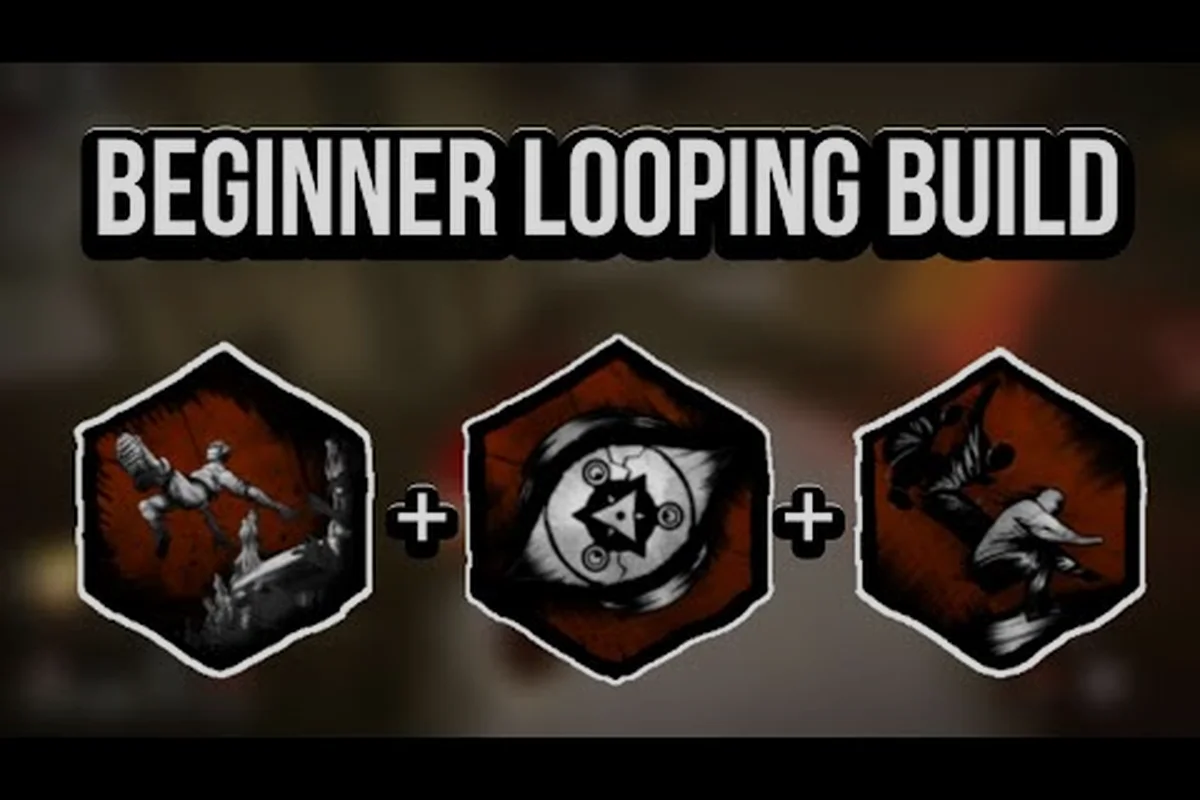
Violence District How to Loop: Beginner Loops & Fast Vaults
Master Violence District how to loop with beginner-friendly window chains, fast vault timing, and moonwalk tech that stretches every chase.

Violence District Stealth Tips: Break Lines, Loops & Hides
Shake any chase with Violence District stealth tips covering break-line routing, counter plays against The Hidden, and pro looping tricks that win on every map.
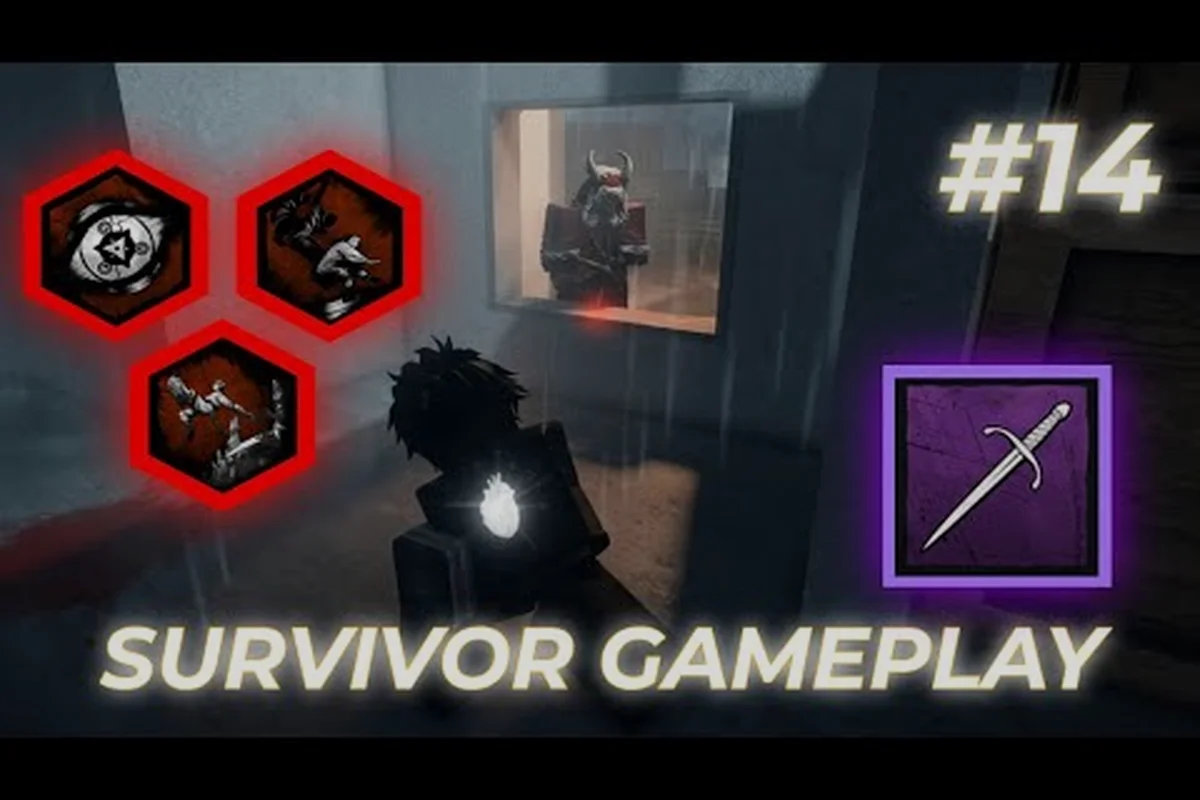
Violence District Zigzag Movement: Spin, Anti-Camp & Endgame
Break chase pressure with Violence District zigzag movement, the spin move, and anti-camp patterns that counter tunneling and clutch endgame plays.
All Articles

Violence District Chase Mindgames: Fakeouts & Vault Reads
Win more Violence District chase mindgames with body blocks, fakeout vault tech, and pallet reads that flip the script on killers mid-chase.

Violence District Slow Vault: Window Tech & Pallet Stuns
Learn the Violence District slow vault timing, window tech, and pallet stun setups that buy survivors extra chase time against every killer.

Violence District Juking Guide: Patterns & Pallet Reads
Master the game juking with proven fakeout patterns, fast vault timing, and pallet mindgames that bait killers into whiffing attacks every chase.
Violence District Loop Customization: Settings, Macros & Moonwalk
Tune your Violence District loop customization with the best settings, macro setup, and moonwalk inputs for smoother movement tech in every match.